

In The Style
Maternity Floral Print Wrap Front Midi Skirt
approx.$11Original price$38Shipping availability unknown
Compare maternity skirts from different brands in one place — midi and maxi lengths, fitted knits and A-line woven styles side by side. Check waistbands, fabrics and prices, then continue to the brand's own store to buy.
In The Style

Mamarella

Mamarella

Mamarella

Mamarella

HATCH Collection

HATCH Collection

HATCH Collection

Ingrid & Isabel

Ingrid & Isabel

Ingrid & Isabel

Kindred Bravely

MAMA;LICIOUS
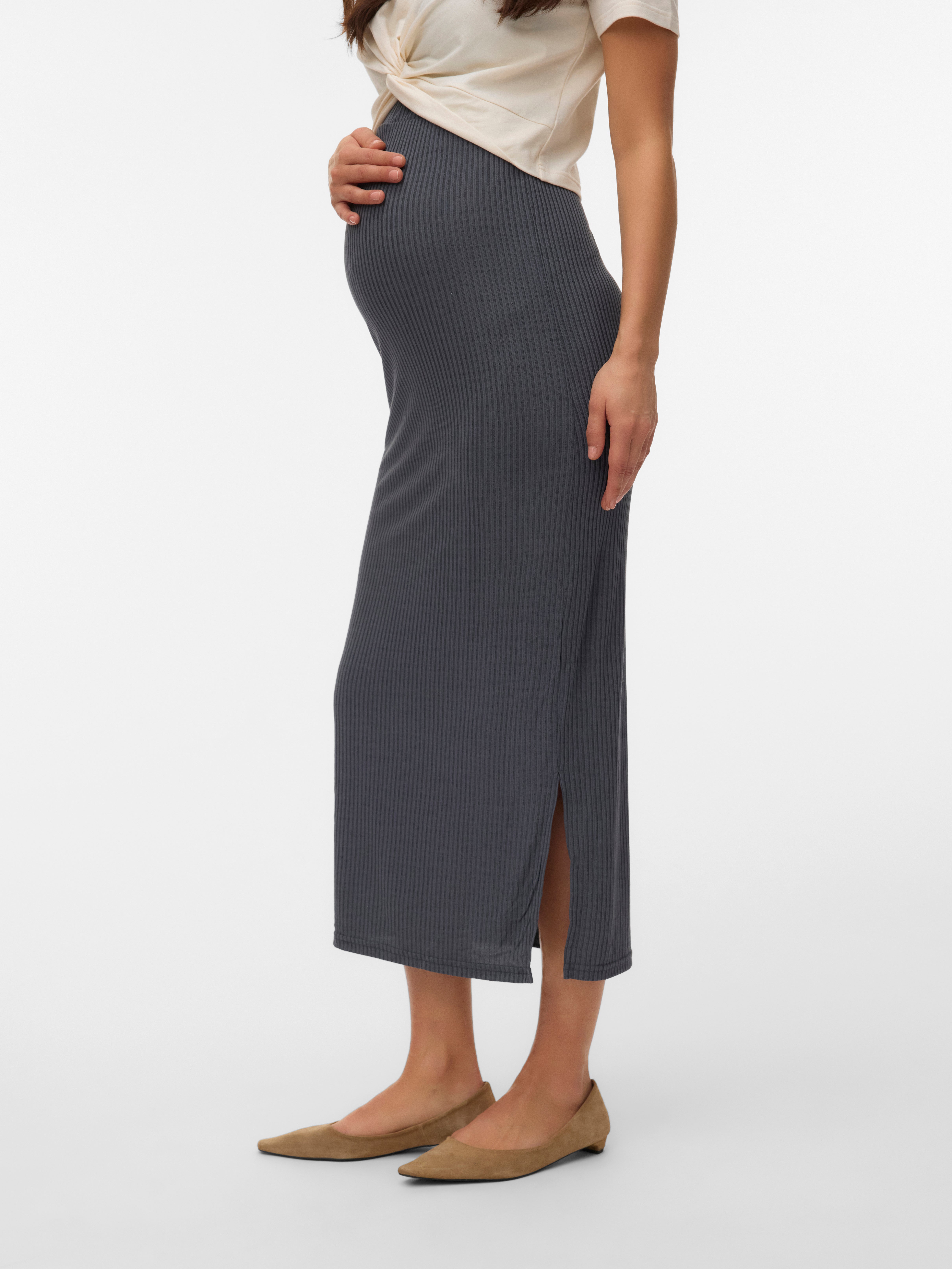
MAMA;LICIOUS

MAMA;LICIOUS
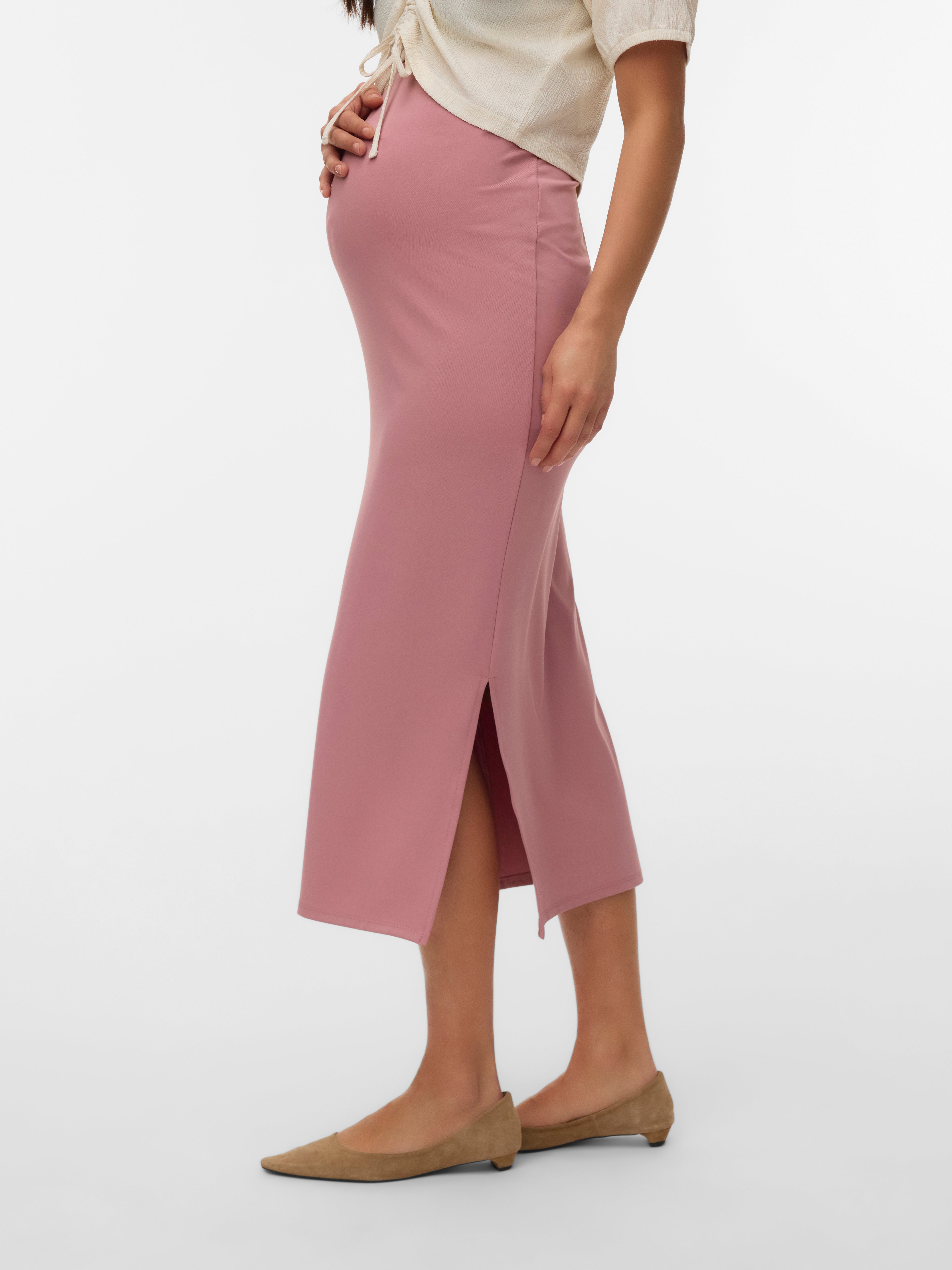
MAMA;LICIOUS
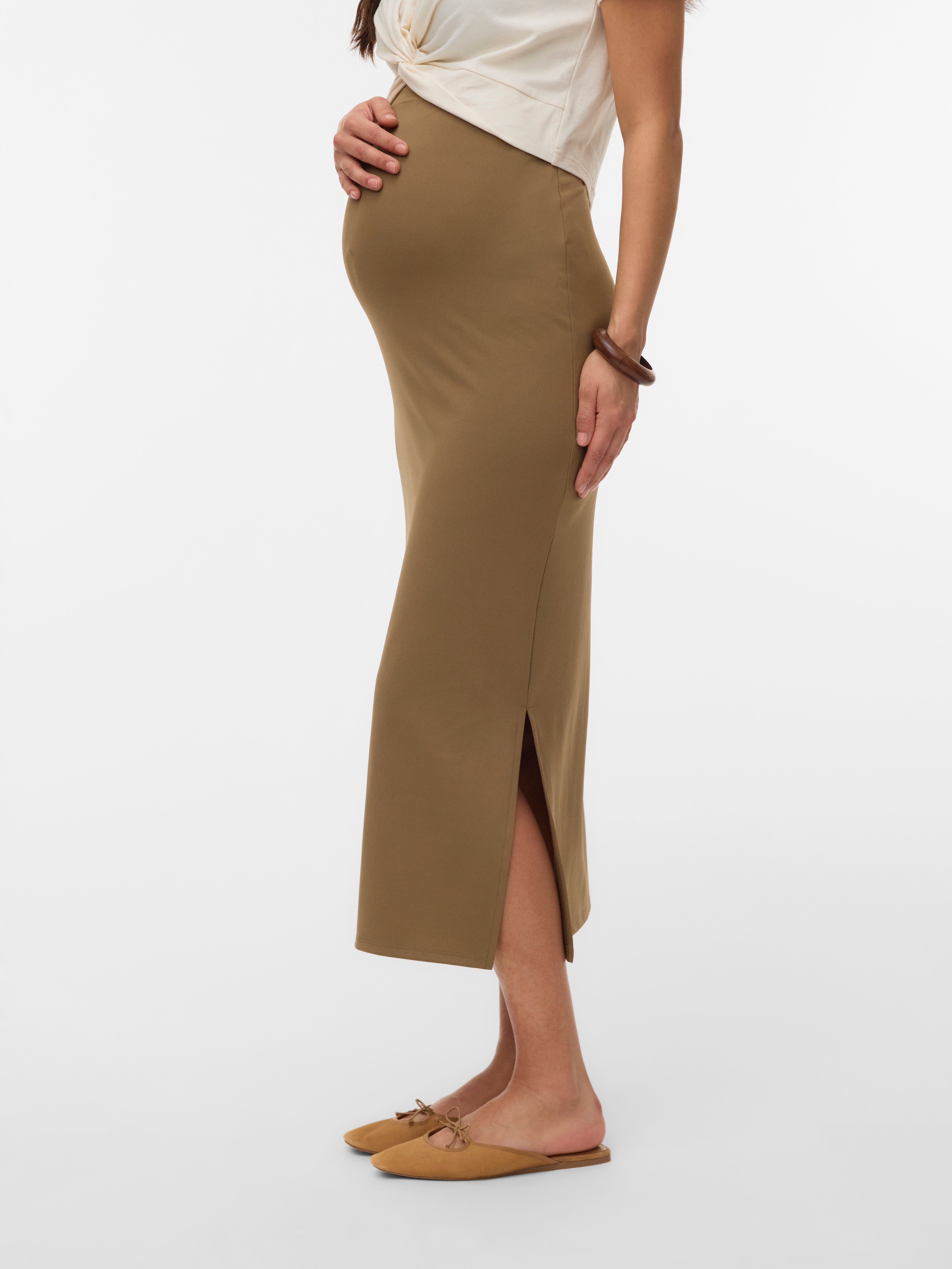
MAMA;LICIOUS

MAMA;LICIOUS
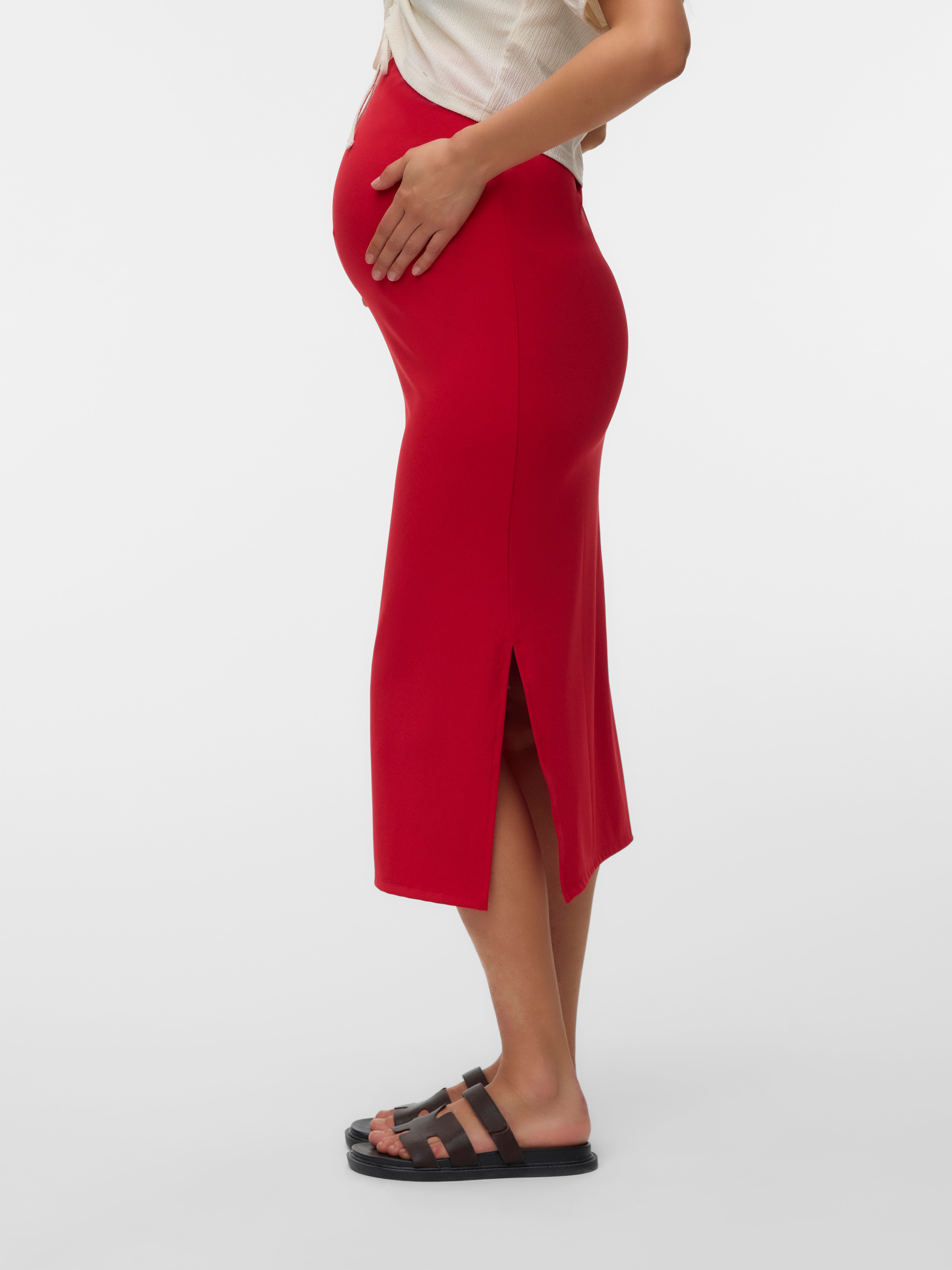
MAMA;LICIOUS
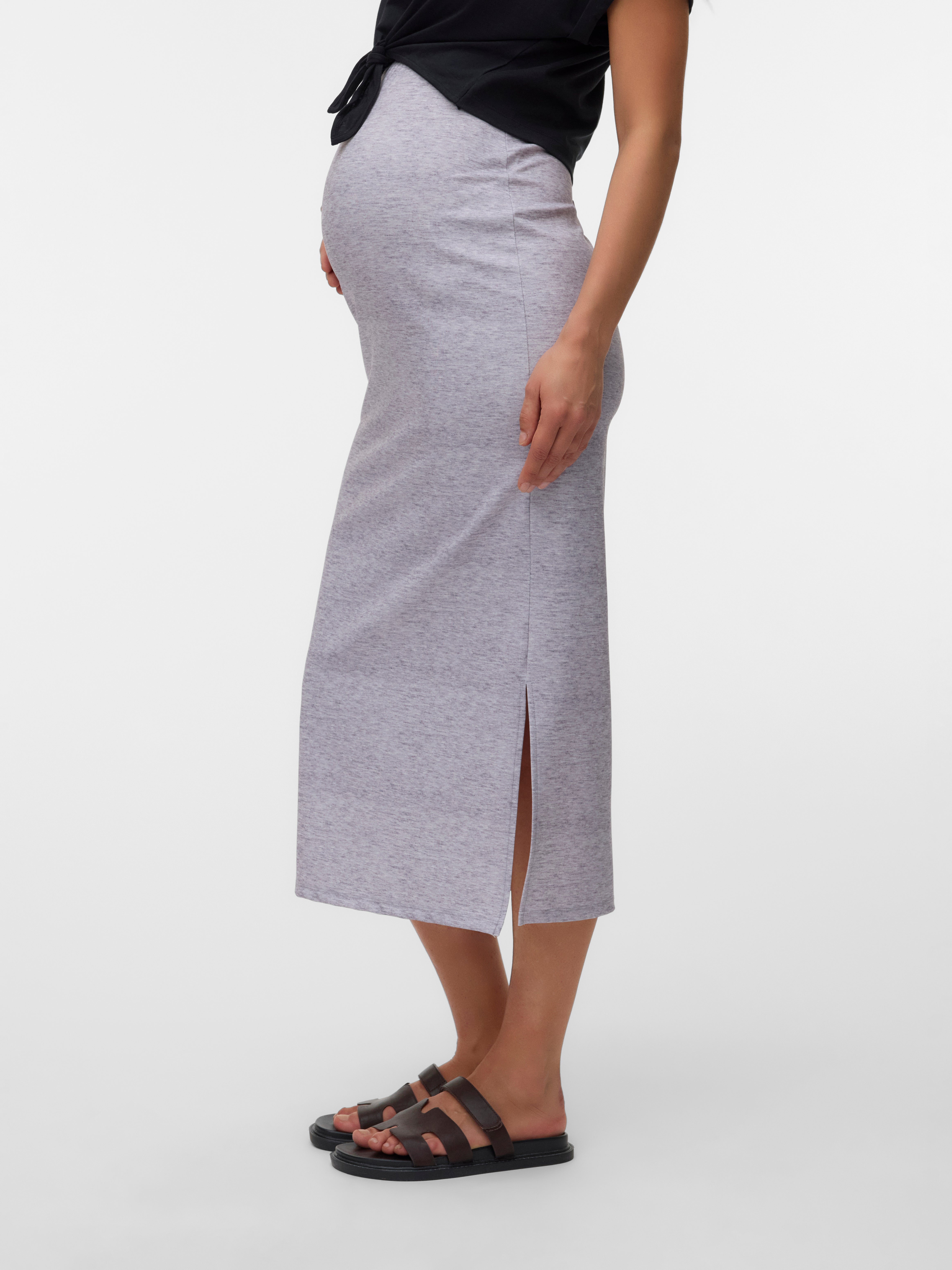
MAMA;LICIOUS
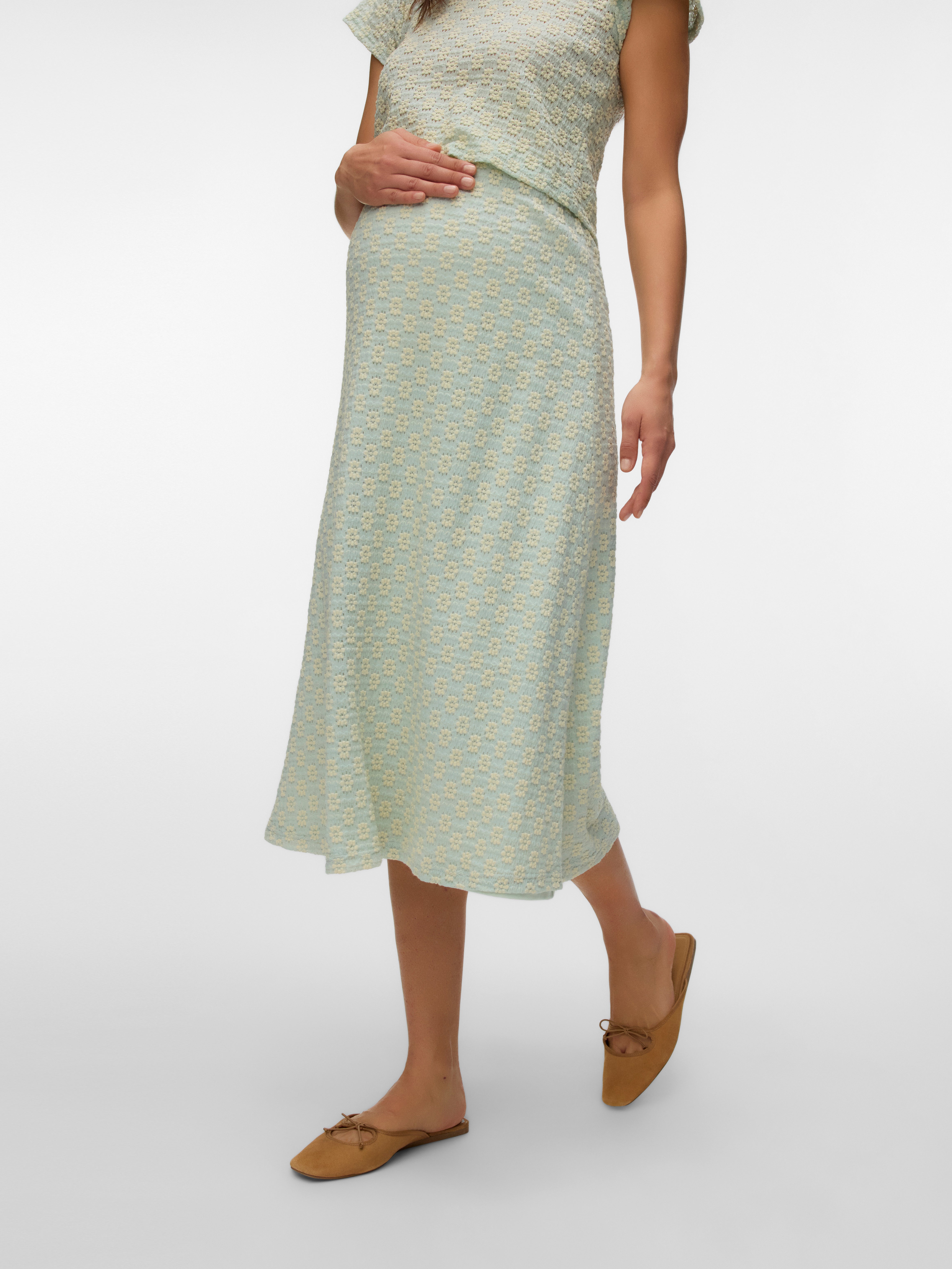
MAMA;LICIOUS
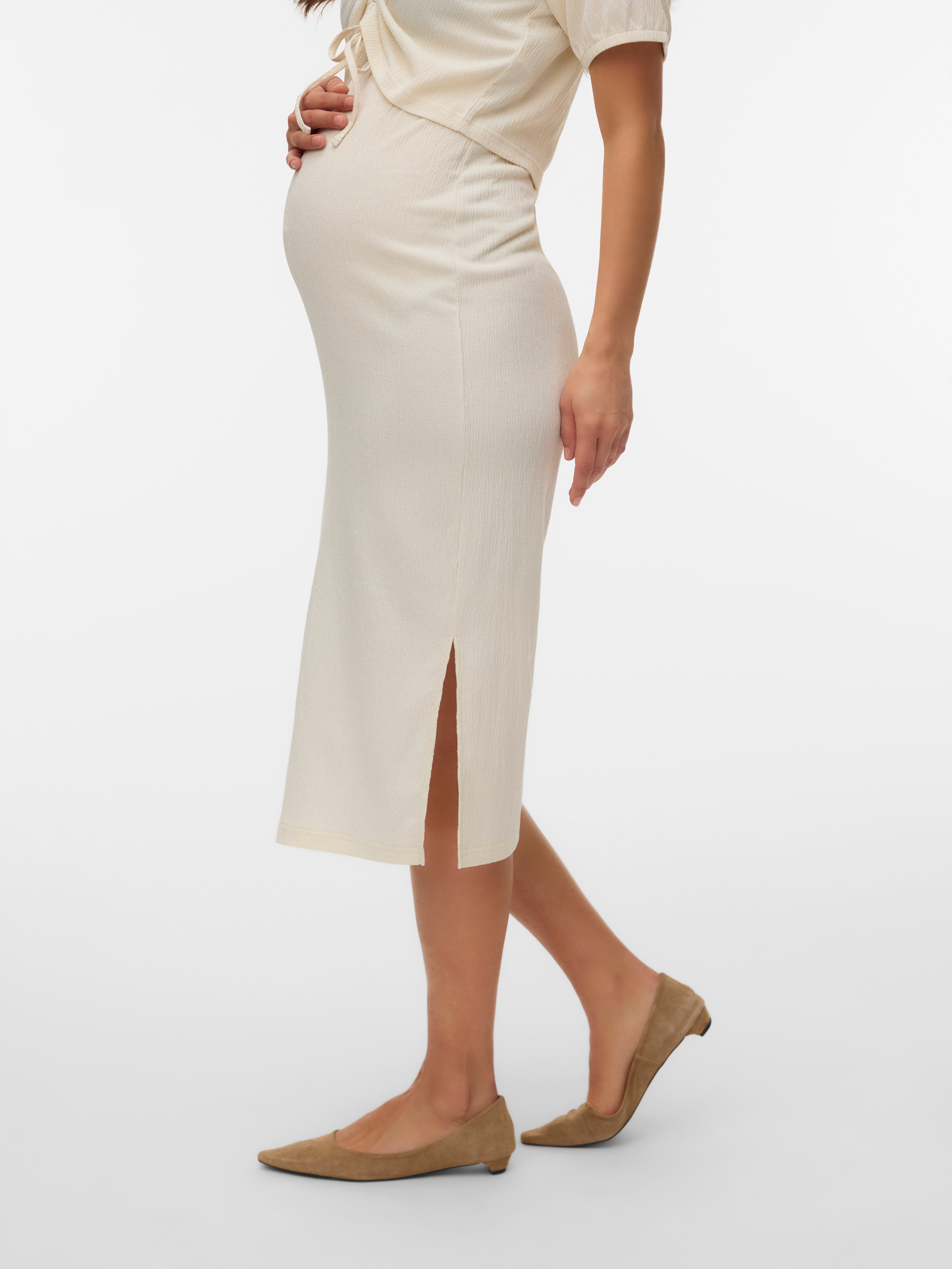
MAMA;LICIOUS
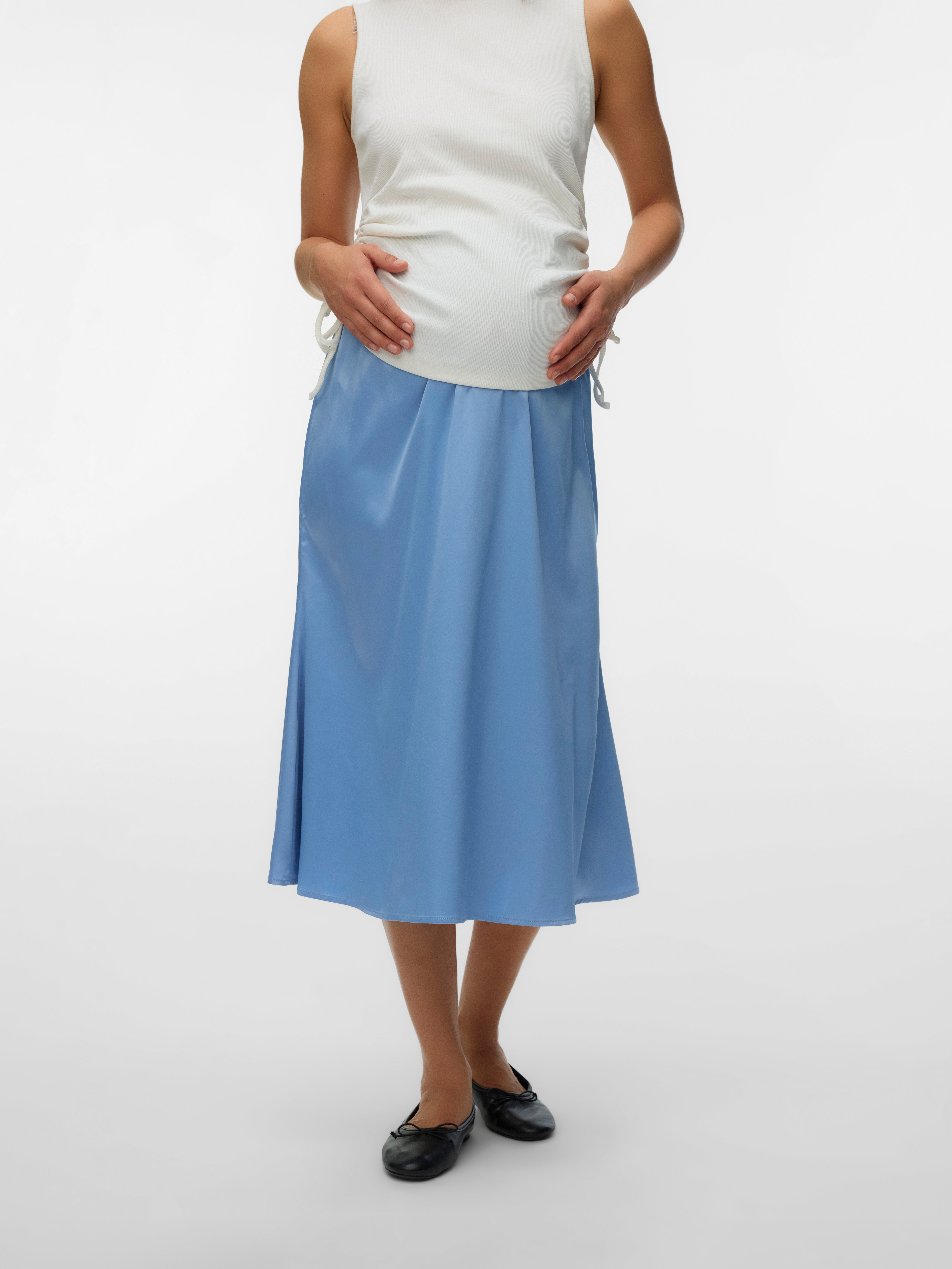
MAMA;LICIOUS
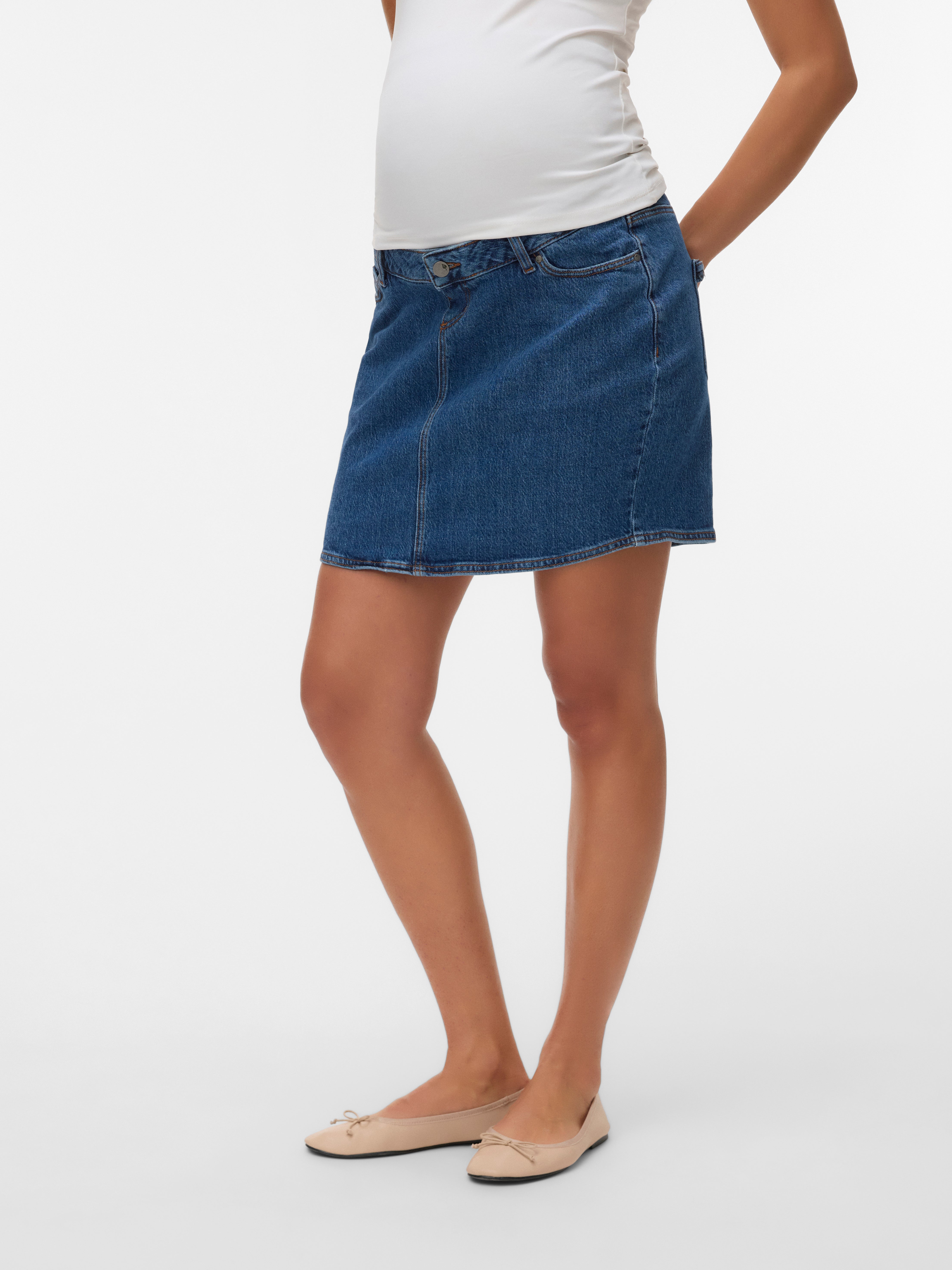
MAMA;LICIOUS
Showing 24 of 132 items from 18 brands.
A skirt has one job a pair of pants does not: it has to hang correctly from under or over the bump without the hem rising unevenly. Over-bump jersey waistbands solve this by holding the skirt from above, so the hem stays level as the bump grows. Under-bump and elastic-back waistbands sit lower, which is less visible under a fitted top but more likely to need adjusting later in pregnancy.
Length changes how long a skirt stays wearable. A maxi that clears the floor at 20 weeks can sit shorter at 36 weeks, because the front hem lifts over the bump. Midi lengths are the most forgiving for that reason, and A-line and pleated cuts absorb the change better than a straight pencil shape does.
Fabric decides the rest. Ribbed and heavier jersey stretch with the bump and skim rather than cling; woven cotton, denim and linen keep a defined shape but depend entirely on the waistband for room. If you want the skirt afterwards as well, an elastic or panel waist that can be folded down is the detail to compare — each brand states the construction and measurements in its own store.